


Conflicts between farmers and Fulani herders are a recurring menace– and hence has become an ever growing so far as security is concerned in Northern Ghana.
Although the Fulani extraction have been living in Ghana for generations they are still not accepted among locals in various communities and are thus mostly excluded from certain areas of political life and health services. 
The conflict has escalated in recent years as conflicting parties have easier access to arms, communication device, discriminatory reportage by the media and lack of conflict resolution mechanism.
For several years, tensions have existed between local farmers and Fulani herdsmen in Ghana. However, various factors have recently, contributed to the tensions taking on a violent nature and becoming one of Ghana’s foremost security threats.
both resource scarcity, such as decreasing grazing land and increasingly stressed water resources, and social relations explain conflicts between local farmers and settler Fulani.
A closer look at the conflicts between local community famers and settled pastoralists in the various communities they settled in especially those in the Norther part of Ghana.
Although the Fulani pastoralists have lived amongst Ghanaian communities for ages, they are increasingly experiencing tension with indigenous community groups, such as those reported in Agogo and parts of the Northern and North East regions.
Despite all the efforts by the Fulani to integrate, they are often reminded that they are strangers who do not belong to the community Despite all of the efforts again by the Fulani to integrate, they are often reminded that they are strangers who do not belong to the community.
The Fulanis are not allowed to participate in gatherings such as political campaigns, cannot easily access health services, including National Health Insurance Scheme (NHIS) cards, and are not allowed to vote even in district level elections.
The Fulanis therefore are not identified as community members though they have stayed in the area for a long time.
The locals are indifferent to the younger Fulanis who have been born in the area and have no other place of origin.
No Fulani had anticipated this as they had lived with the people, practiced the same religion, taken part in local festivals and ceremonies, and had a few of their kinsmen married to Dagomba, Waala, Dagaaba and other tribes.
Issues around identity and citizenship provoke strong sentiments among Ghanaians when the Fulani are discussed. It thus appear that no matter how long they have been in Ghana, the Fulani cannot become Ghanaians in the eyes of certain communities and officials.
Among the Sissala tribe in the Upper West Region of Ghana are also the existence of Fulani herdsmen. Even though is a taboo for a Sissala man to marry a Fulani especially, women and apparently with no scientific reason behind. Few Sissala guys have defied the taboo and got married to Fulani women and happily living with them.
Despite the restriction to marry the Fulani, they are however allowed to do things in common such as attend hospital, fetch water from the same source,vote, attend school and attend ceremonies such as festivals all with the locals.
I grew up mingling with Fulani kids and sometimes do play around their places of abode. We even eat their food and took their cow milk with together.
This association or assimilation is not practiced in every community or area where the Fulani herdsmen have settled.
Perhaps, this does not rule out the once in a while conflict between farmers and the herdsmen as their cattle sometimes do stray into farms couple with their destructive tendencies on crops. But community conflict resolution structures set up are usually deployed to handle such cases.
The new trend of locals developing interest in settling down with Fulani women has eventually become a subtle way of mitigating discrimination against the Fulani tribe and thus building consensus and sense belonging among the Fulani tribe.
It is high Time a stakeholder forum is organised to address issues on how to live harmoniously with the Fulani herdsmen in society.
Now is also the time we accept the fact they are part and parcel of us.
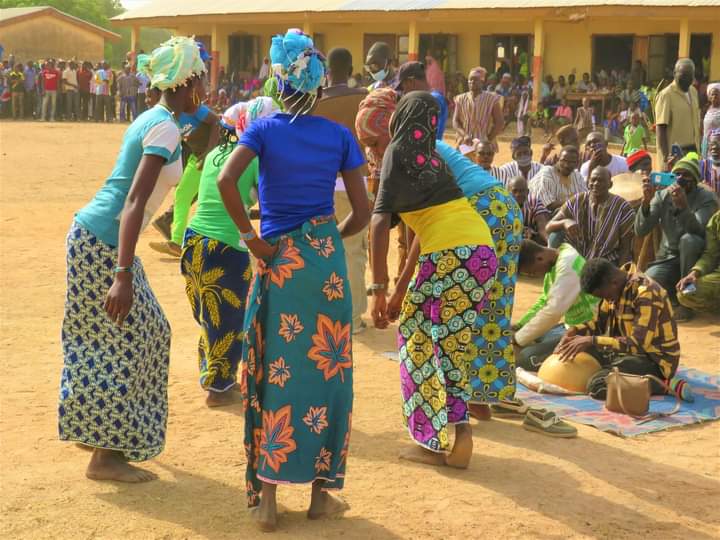
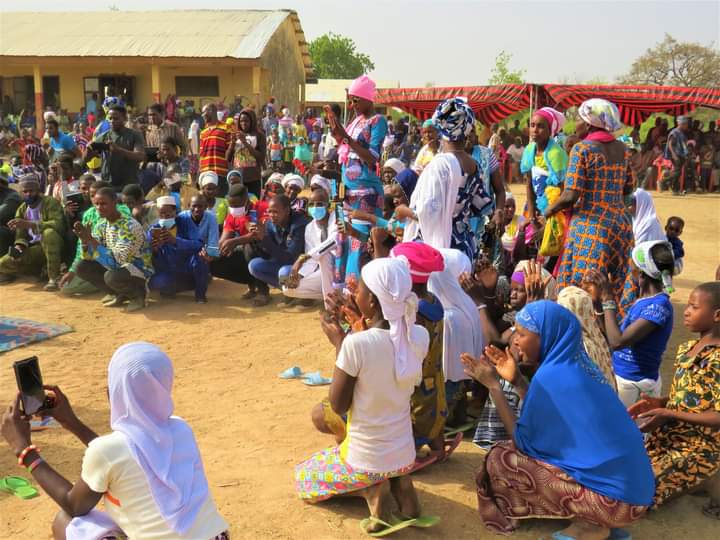
The pictures below depict full participation of Fulani community in Gandwaii Nabahileme festival 2022 edition in the Sissala West District of the Upper West Region of Ghana.
By: Ayamga Bawa Fatawu
ayamga.fatawu23@gmail.com





 upperwestmedia.net
Leave a Reply