
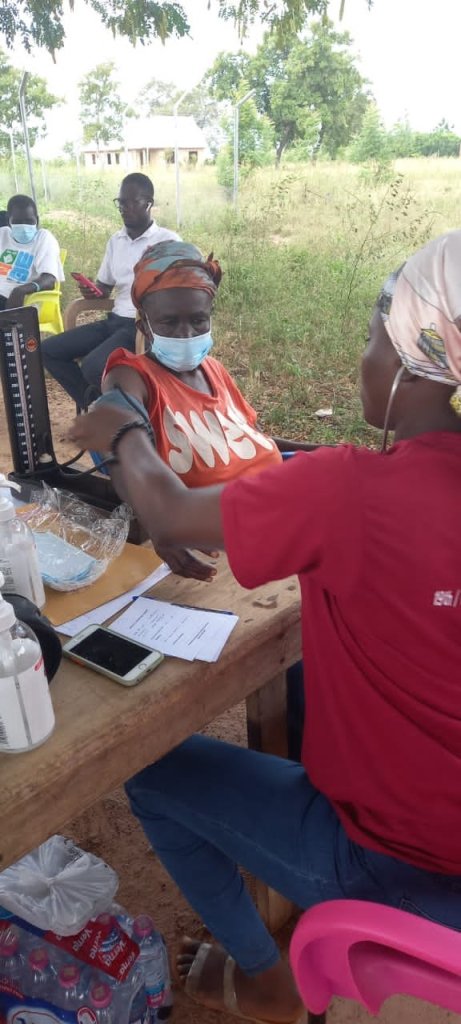




Revitalizing Education in Nandom: Empowering Classroom Teachers through Stakeholder Support
As part of the Kakube Festival 2023 celebration, the Organizing Committee, under the auspices of the Paramount Chief of the Nandom Traditional Area, Naa Edmund Delle Chiir VIII, have had forum on the Education trajectory of Nandom seeking answers to the deteriorating trend of education in recent years. I wish per this medium to share a picture of an opinion on the topic as tilted above.
Until my recent position as a Lecturer in History with the University of Education, Winneba, my first posting September 2004 as a trained teacher from the Tumu College of Education was to the Bu Junior High School, from there to Dondometeng, Monyupele Primary/JHS, St. Andrews JHS and Charia JHS until I was declared a persona non grata (teacher at large) in the then Lawra/Nandom District. Reasons for this are best known by those who were the managers of GES in the district at the time.
In view of the above, I know a lot from the grassroots perspective that can be articulated as regards the education system in Nandom following the ongoing stakeholders’ forum on the abysmal showing at the Basic Education Certificate Examination, BECE.
I wish to share the opinion that we can do all the best of seminars and/or fora with the best of brains on education in Nandom but until all the Stakeholders to Education in Nandom see it as a nonnegotiable arbiter to support the Classroom Teacher, nothing can work to bring back the lost glory which was anchored around sacrifice and passion.
It is indeed crucial for all stakeholders in the field of education to recognize the significant role of classroom teachers and provide them with the necessary support. When teachers have the support they need, it can contribute to the overall improvement of education and help restore its lost glory. Also, Collaboration and involvement from various stakeholders can create a positive and conducive learning environment for students. The current crop of teachers in Nandom do not need money to be motivated but just the comfort of proximity and not being manhandled and threatened with the constant policy of reassignment by the Director of Education.
In addition, here are a few more points to consider in building a resilient education system in Nandom:
1. Professional Development: Stakeholders should prioritize continuous professional development opportunities for teachers. This includes providing resources, workshops, and training programs to enhance their skills, update their knowledge, and keep up with the latest teaching methodologies and technologies. The selection for this should not have anything to do with one’s political views or affiliation.
2. Adequate Resources: It is vital to ensure that classrooms have access to sufficient resources such as textbooks, teaching materials, technology tools, and equipment. Stakeholders can play a role in securing these resources and ensuring their availability to support effective teaching and learning. On this note, I want to call on all sons and daughters of Nandom, both home and abroad to offer a helping hand. Adopt at least a school or two in your community for this project. For it takes a community to grow a child.
3. Supportive Policies: Stakeholders, including government bodies, educational institutions, and community organizations, should work together to develop and implement supportive policies that recognize and value the contributions of classroom teachers. This can include fair remuneration packages, incentives for professional development, and recognition of their efforts. Again, this should be done devoid of politics and friendships.
4. Collaboration and Partnerships: This was the secret service in the growth of education in Nandom. We can bring it back. Encouraging collaboration between schools, teachers, parents, and community members can foster a sense of shared responsibility for education. Stakeholders can form partnerships to support teachers through mentorship programs, parent-teacher associations, or involvement in educational decision-making processes. This is where we can incorporate the chiefs, Assembly men, opinion leaders and headsmen of the community in which the schools are located. When these stakeholders are involved, the teachers are given a certain level of surety and protection.
5. Teacher Well-being: Promoting the well-being of teachers is crucial for maintaining their enthusiasm and dedication to the profession. This can be done by providing a supportive work environment, opportunities for self-care, and avenues for addressing the challenges and stressors faced by teachers. What we forget is that the constant transfer of teachers and needles suspension have become basis for which teachers are reluctant in giving up their best in classrooms. This should be checked and I can assure all third parties that teachers’ wellbeing shall be improved, the passion to sacrifice for the better good of Nandom shall be rekindled.
By recognizing and actively supporting classroom teachers, stakeholders in education can contribute to the restoration of the lost glory and ensure a quality and inclusive education system in Nandom. In the current dispensation, It is regrettable to note that one political actor is dictating the course of progress of education in Nandom and in most cases tagging names of teachers for reassignment. But as I have stated earlier, until we fix that problem of one man show in the Nandom Municipality, we can have thousands of seminars but it will not get us anywhere. We would still be recording the low figures and the embarrassing outcomes in the BECE.
Wilson Dabuo
Source: Nandom FM





 upperwestmedia.net
Leave a Reply