
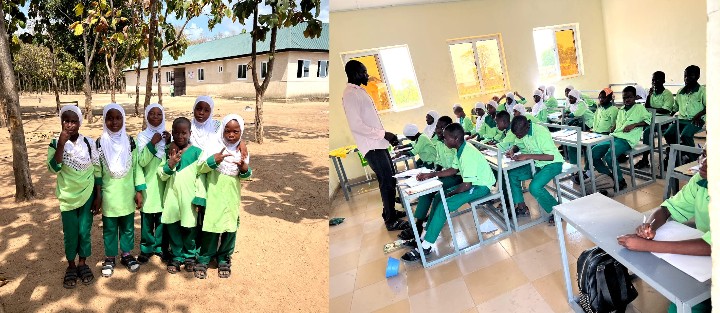



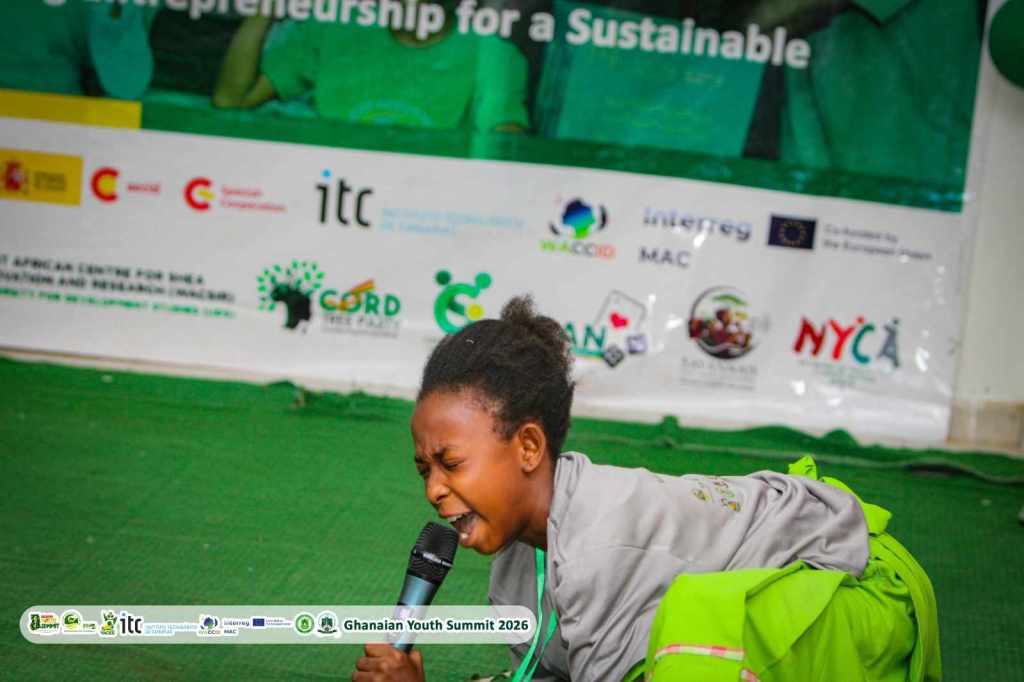
WA, Upper West Region – The Center for Opportunities and Rural Development (CORD Ghana) has challenged young people in the Upper West Region to take advantage of emerging opportunities in the green economy by developing and scaling up environmentally sustainable businesses.
The call was made during the Upper West Regional edition of the Ghanaian Youth Summit 2026 on Environmental Conservation and Green Jobs, held in Wa, which brought together young people, government representatives, development practitioners and other stakeholders to discuss environmental sustainability, climate change and employment opportunities in the green economy.
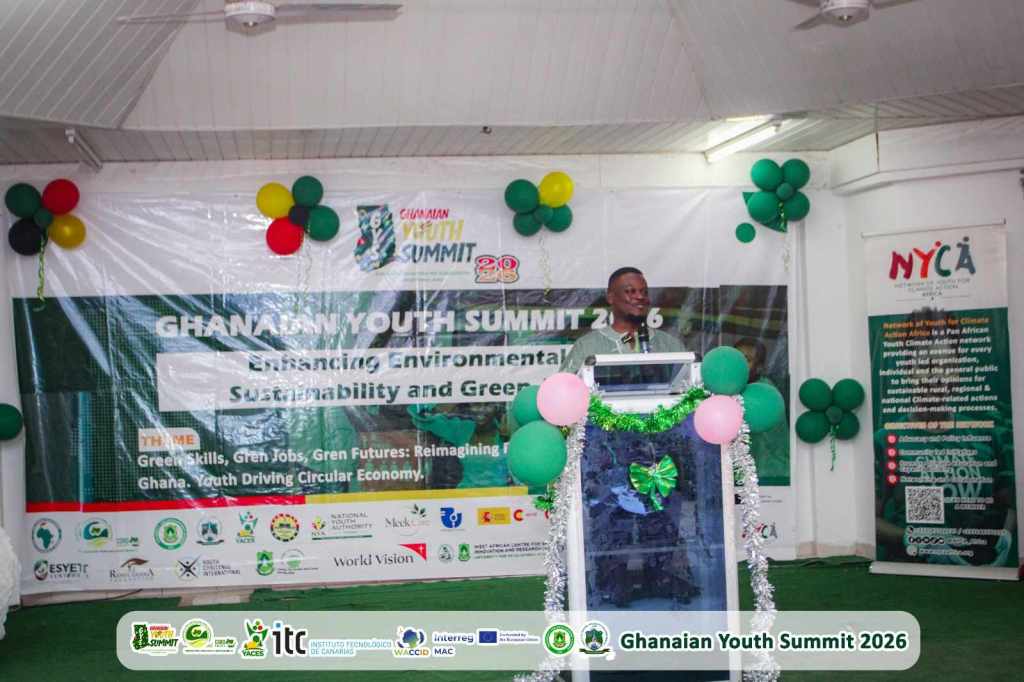
Delivering the welcome address, the Executive Director of CORD Ghana, Dr. Kodimah Siita, urged the youth to move beyond discussions on environmental protection and take practical steps towards establishing and expanding green businesses.
He identified opportunities in renewable energy, sustainable agriculture, waste management, recycling and other environmentally friendly enterprises as viable pathways for youth employment, entrepreneurship and economic empowerment.
Dr. Siita emphasised that environmental conservation should not be viewed solely as a responsibility but also as an opportunity for young people to create businesses, generate income and contribute to sustainable development.
He further disclosed that the summit was supported through the WACCID Project under the INTERREG MAC Programme, with funding facilitated through the Canary Islands Institute of Technology (ITC).
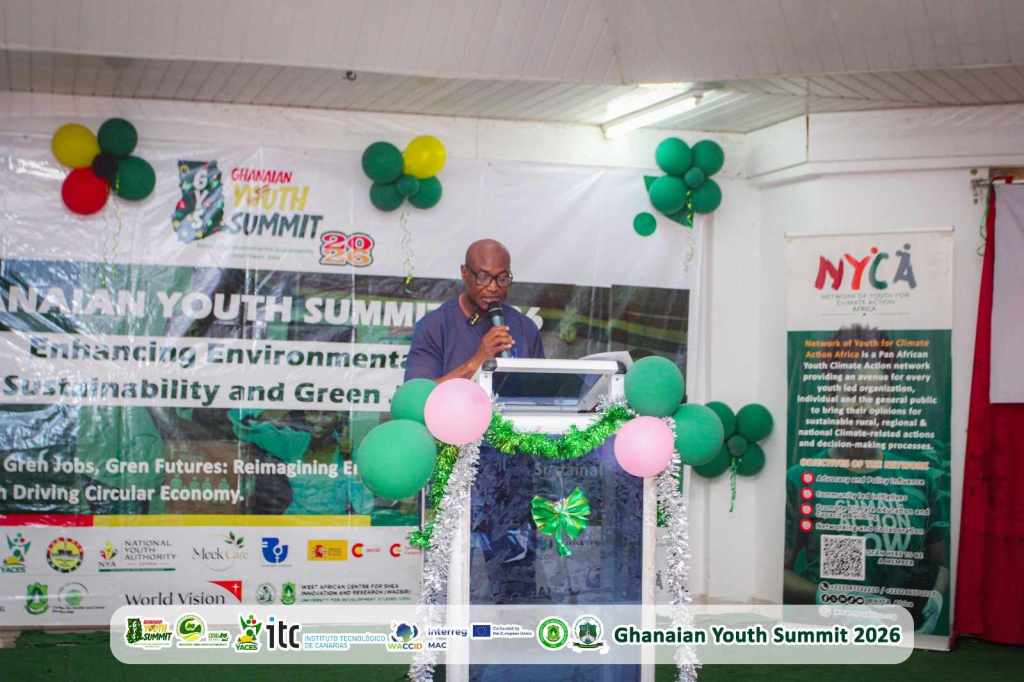
The Chief Director of the Upper West Regional Coordinating Council Mr. Mumuni Shaiku Damma represented the Upper West Regional Minister, Hon Charles Lwanga Puozuing commended CORD Ghana and its partners for bringing the summit to Wa, describing the initiative as an important opportunity to engage and empower young people on environmental issues and economic opportunities.
He pledged the Regional Coordinating Council’s support for initiatives of this nature and highlighted several emerging green economic opportunities that young people in the region could explore to improve their livelihoods and contribute to regional development.
Speaking at the event, Technical Specialist Dr. Cynthia Kutri highlighted key environmental challenges confronting the Upper West Region and drew attention to the potential role of young people in addressing them.
She also outlined opportunities available to the youth in environmental conservation, sustainable natural resource management and green entrepreneurship, encouraging them to develop innovative solutions that respond to the region’s environmental needs.
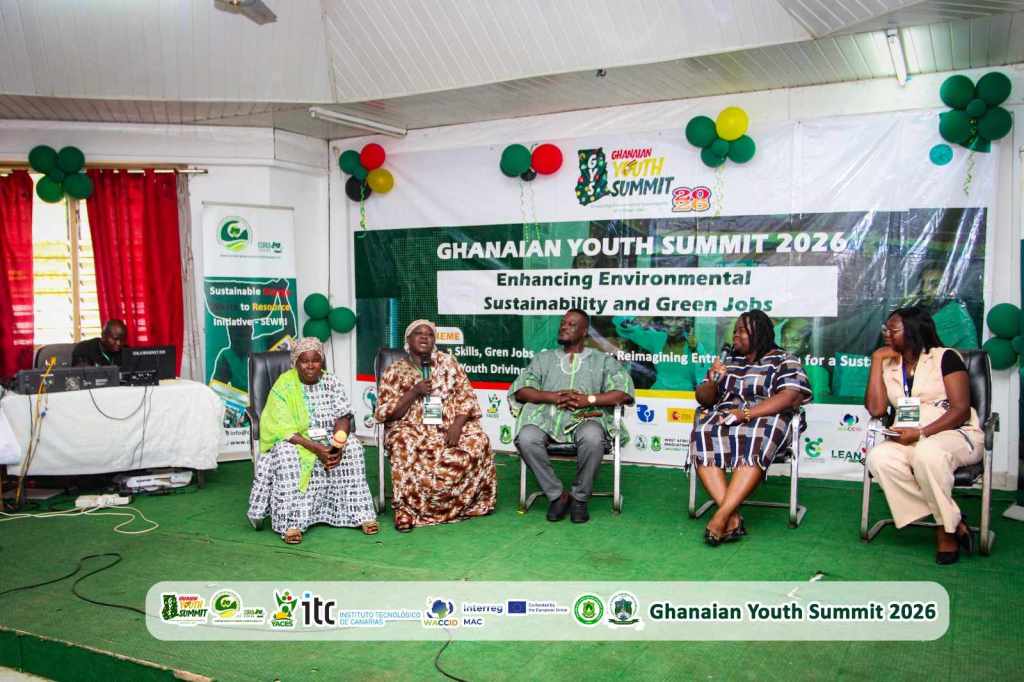
A representative of the National Youth Authority (NYA) also commended CORD Ghana and its partners for organising the summit, describing it as a valuable initiative for promoting youth participation in environmental sustainability and employment creation.
The representative highlighted government interventions aimed at improving youth employability and entrepreneurship, including the National Apprenticeship Programme, and encouraged young people to take advantage of such initiatives to acquire practical skills and improve their employment prospects.
The Ghanaian Youth Summit on enhancing Environmental Sustainability and Green Jobs 2026 is part of efforts to strengthen youth participation in environmental conservation and promote green jobs as a pathway to sustainable economic development.
The summit provided an opportunity for stakeholders to highlight the need for stronger collaboration among government institutions, civil society organisations, development partners and the private sector to create an enabling environment for youth-led green enterprises.
Young people had their voices highlighted in what the future of Ghana should be having Youth drive a circular economy where green skills and green jobs will thrive for a more equitable and sustainable future.
Participants were encouraged to see themselves not only as beneficiaries of environmental programmes but also as active contributors, innovators and entrepreneurs capable of turning environmental challenges into economic opportunities.
ENDS







Leave a Reply