



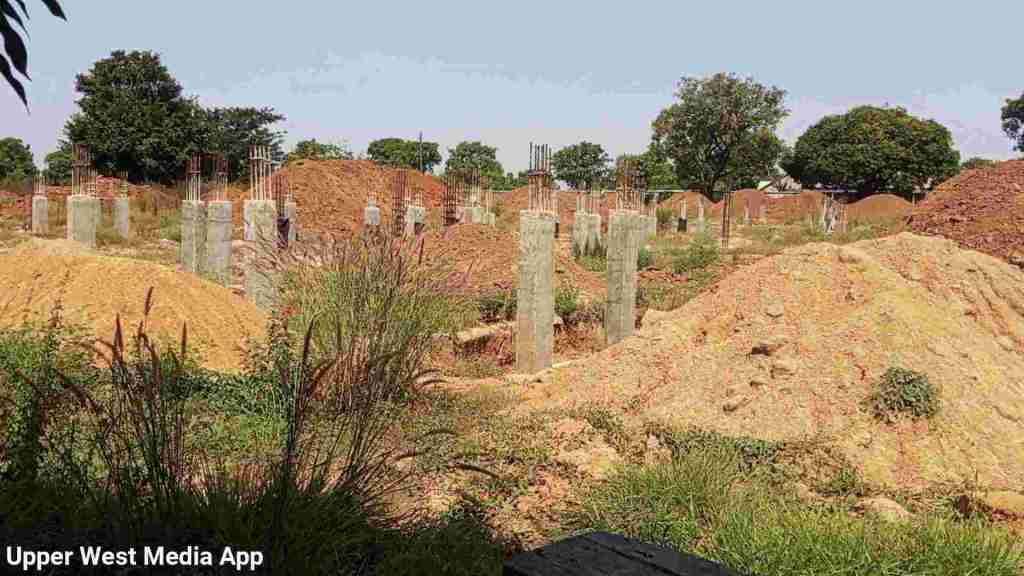
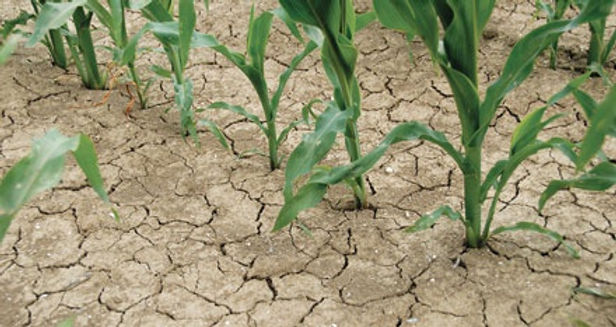
Several acres of food crops, including maize and soybean, are withering in parts of the Sissala East and Sissala West districts.
After nearly a month of inadequate rainfall, farmers are increasingly worried about crop failure and their ability to recover the rising cost of production.
Farmers across the two districts say the prolonged dry spell, which has become particularly severe since early August, is causing maize plants to turn yellow, while crops that have begun to tussle are drying up and producing weak, thin growth.
According to farmers interviewed by the Ghana News Agency (GNA), the rainfall since May 2026 has generally been below expectations, with the situation worsening in recent weeks.
In some areas, rain has either been completely absent or occurred in small amounts insufficient to sustain crops.
Mr Shaibu Dimah, a maize farmer from Bujan, said he had not received meaningful rainfall on his farm for about four weeks.
“Last year it was difficult to sell our maize, but as farmers we had to manage to sell at those poor prices to go to the farm. It’s been about four weeks since my crops received any proper rain, and they are drying up. This is very serious. I don’t know how we are going to survive. The cost farmers have endured will take several years for us to overcome.”
He said the situation was particularly worrying because farmers had already invested significant resources in their farms despite the low prices they received for their produce during the previous season.
Mr Abu, a farmer from Welembelle, said the drought appeared to be affecting farms across a wide area, from the Sakai area to several parts of the Sissala East and West farming communities.
“The government must find a way to help these maize farmers who have invested everything into their farms only for the rains to fail them. I have never seen rainfall so poor as this year. This is a waste of time.”
The erratic rainfall has also affected the ability of farmers to apply fertiliser and sulphate to their crops.
Farmers say that for the past three weeks, rainfall has either been recorded in isolated locations or in quantities too small to allow them to effectively apply farm inputs.
This has heightened concerns that even crops that survive the dry spell could record poor yields because of inadequate moisture and interrupted farm management practices.
The situation is particularly concerning for maize farmers, who are already dealing with reduced market prices and increasing production costs.
Mr Fataw Ayamga, an environmental conservationist, described the situation as a crisis in what he called the “breadbasket of Ghana.”
He said rising cultivation costs had already forced many smallholder farmers to reduce the amount of land they cultivate, while increasingly unpredictable weather patterns were now threatening the crops they had managed to plant.
“Rising cultivation costs have already forced many smallholder farmers to cut back on their planted acreage. Now, erratic climate patterns threaten to wipe out what little remains.”
Mr Ayamga warned that if the dry conditions continued, the consequences could extend beyond individual farmers and affect food prices and national food security.
“If the skies remain shut for another week, crop failure won’t just hit farmers’ pockets—it will trigger a national food insecurity crisis, driving grain prices out of reach for millions. The crops are standing suspended in a fight for survival, and time is running out.”
Madam Damsta Issifu, a woman farmer prayed for the rains to come to avoid the double problem staring at farmers.
Alhaji Jibiliru Nankpa of Augustine’s farms has over a thousand acres of maize field at the tussling stage, the stop of the rainfall means two straight years of losses as a farmer and this he says is unbearable.
Right from Tumu to Gwollu most maize fields are in dire need of rain , any further delay could be disastrous.
The farmers fear that continued dry conditions could result in significant losses of maize, soybean and other food crops, worsening the financial difficulties of households that depend heavily on farming.
Some of the affected farmers are therefore appealing to the government and relevant agricultural authorities to assess the situation and provide some support as the cropping season approaches a critical stage.
Source: GNA/Mohammed Balu Salia







Leave a Reply