
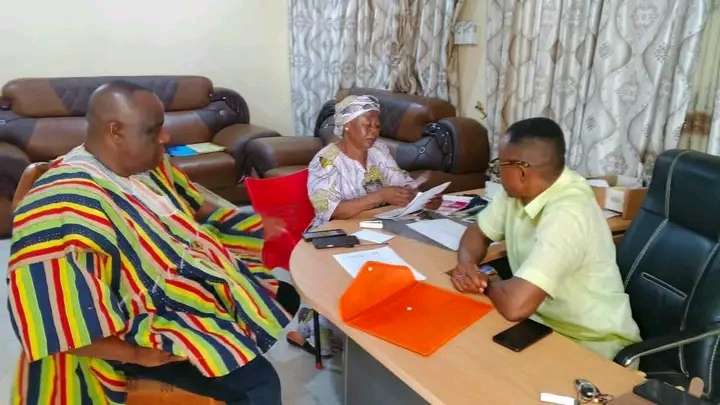

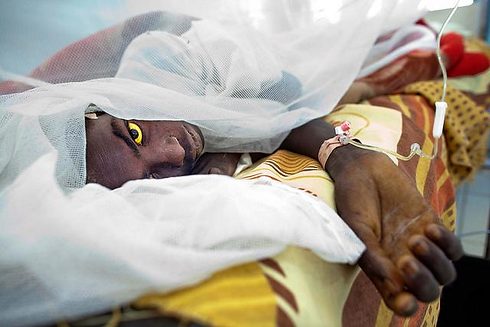
The Ghana National Association of the Deaf (GNAD) has highlighted persistent challenges confronting deaf and hard-of-hearing people in accessing sexual and reproductive health (SRH) information and services, calling for improved sign language interpretation and inclusive healthcare delivery across Ghana.
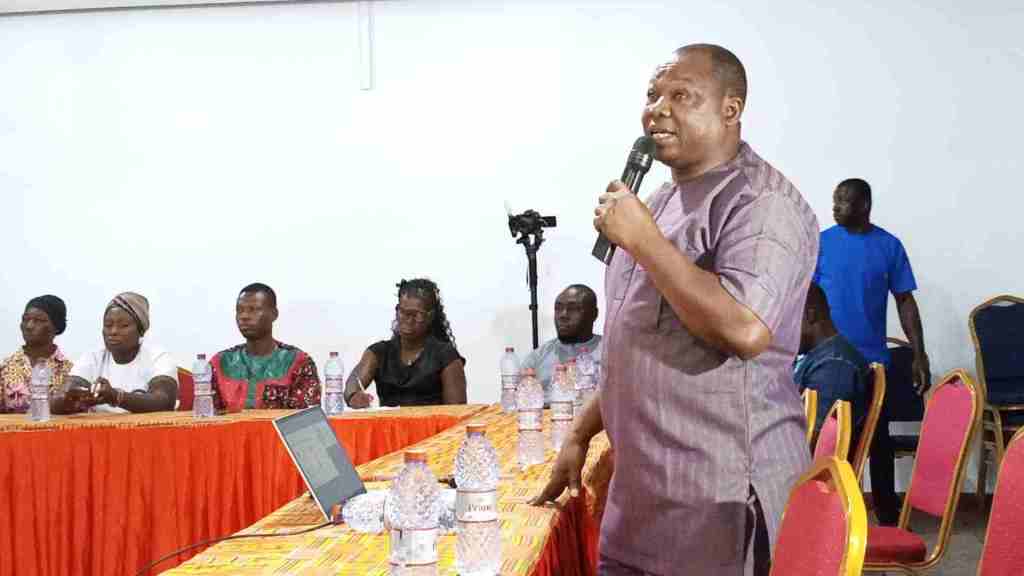
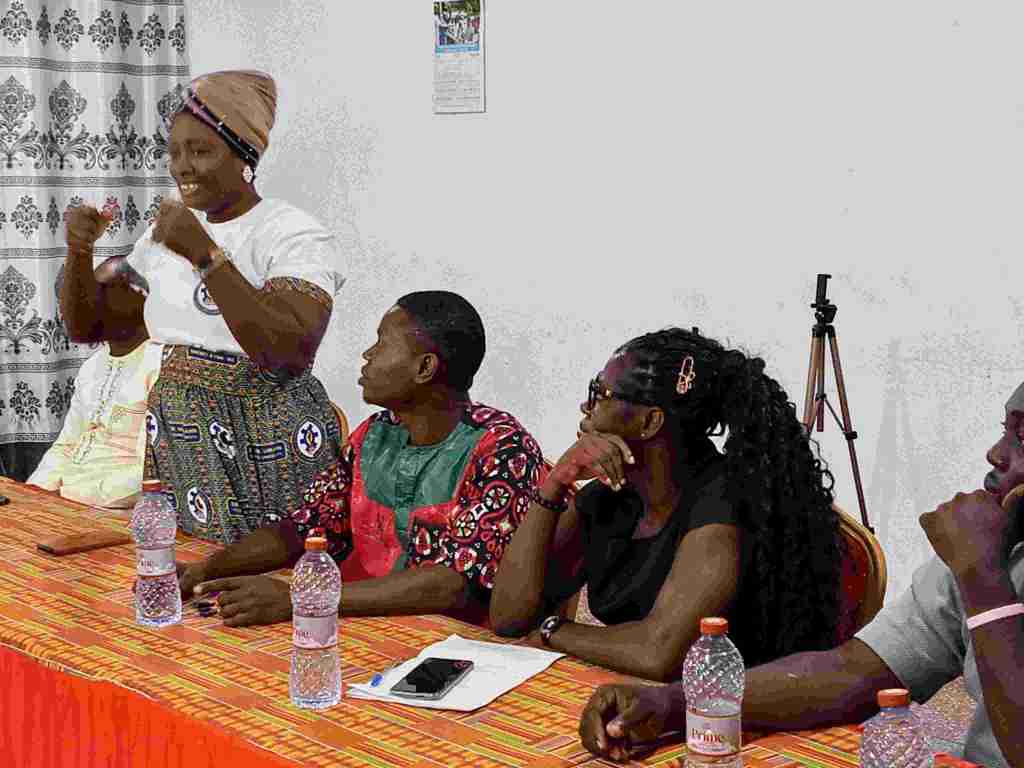
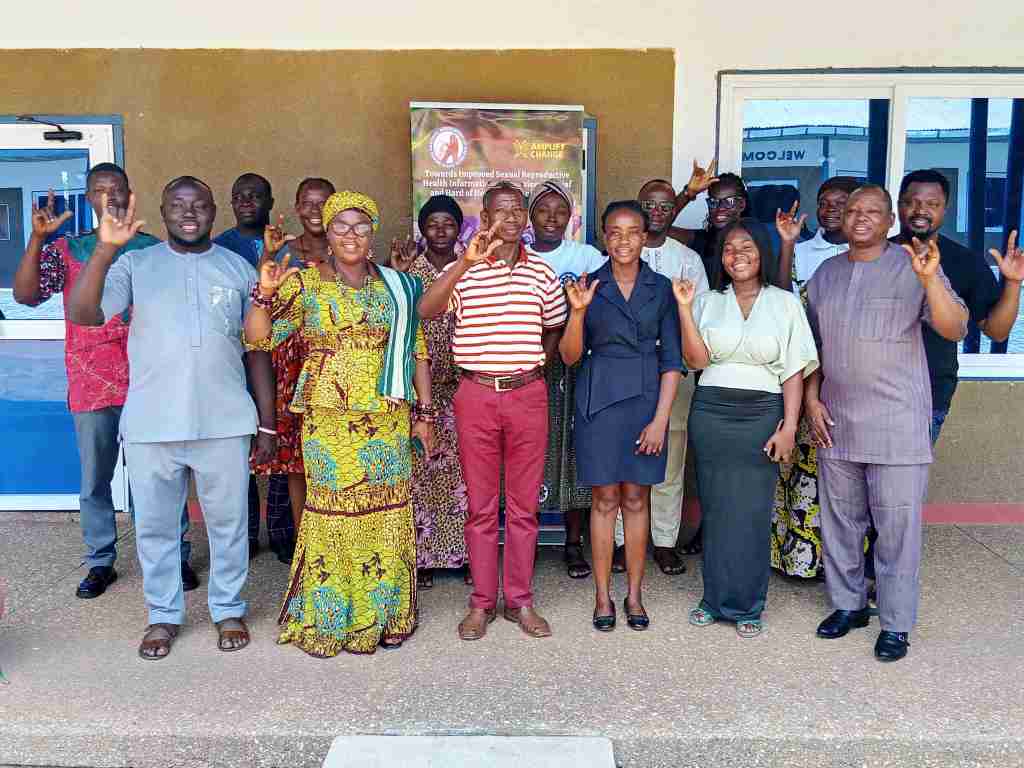
The concerns were raised on Friday, October 16, 2026, during a programme held at the In-Service Training Centre in Wa, Upper West Region, to highlight the achievements and challenges of a three-year project aimed at improving access to sexual and reproductive health information and services for deaf and hard-of-hearing people.
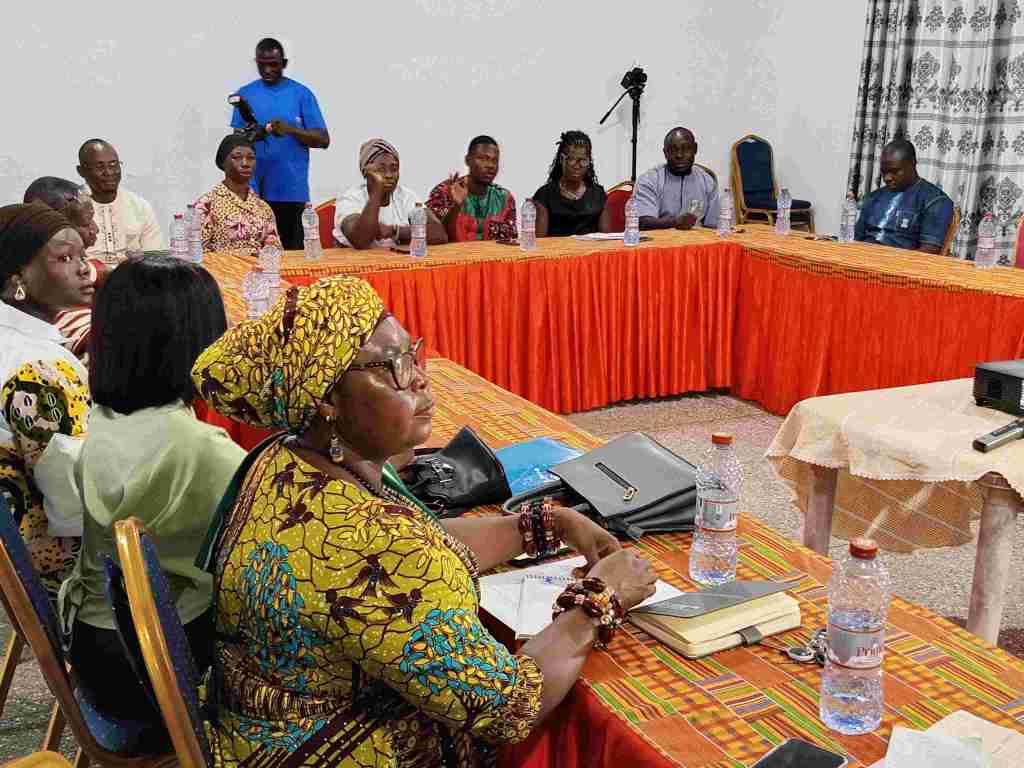
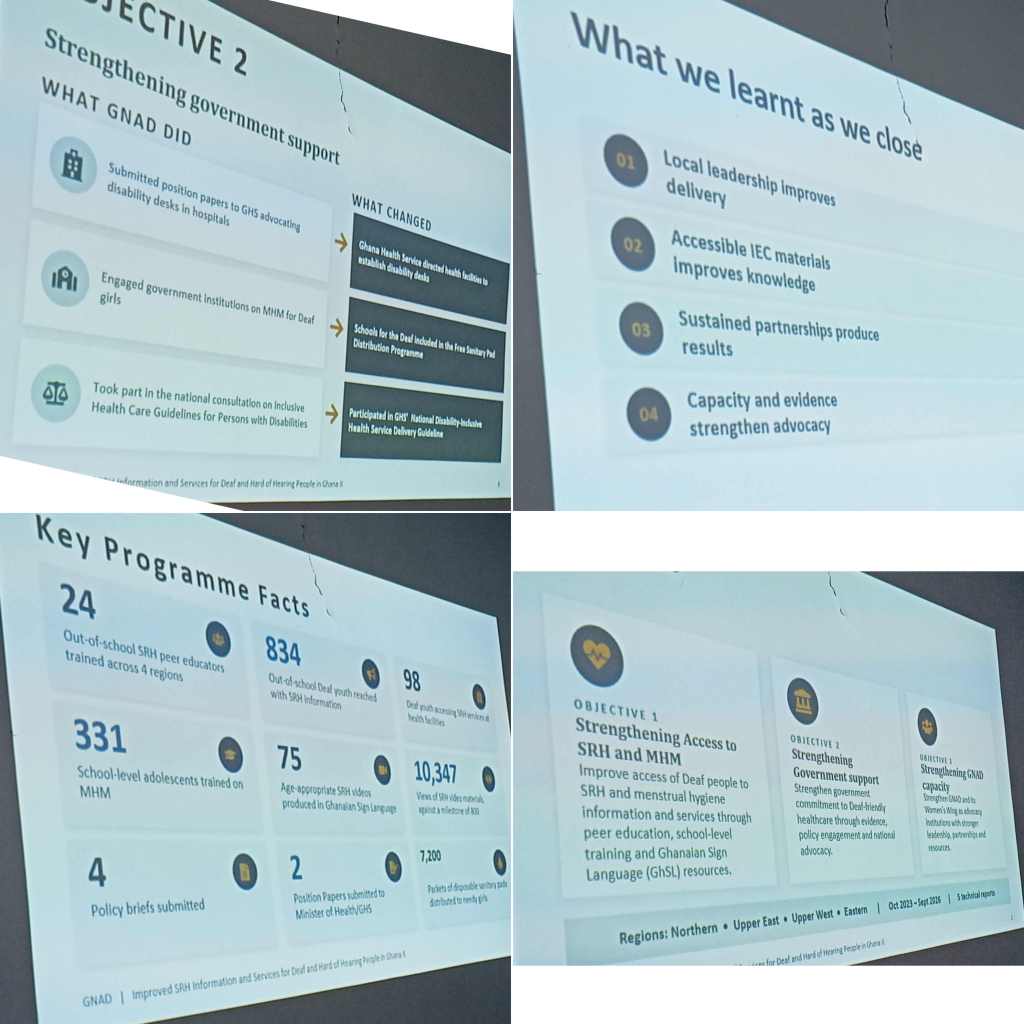
The project, which ran from October 2023 to September 2026, covered four regions: Upper West, Upper East, Northern and Eastern regions.
Through videographic educational content shared on social media, the initiative reportedly reached more than 10,000 viewers with sexual education information presented in sign language.
Speaking at the programme, Mr Seidu Musah Akugri, Programmes Manager of GNAD, identified bullying in deaf schools, communication barriers at health facilities and the lack of sign language interpretation in health-related programmes as some of the major challenges affecting the deaf community.
He explained that many deaf people are reluctant to seek healthcare because of communication difficulties and the absence of sign language interpreters at health facilities.
According to him, the situation sometimes results in patients receiving inappropriate medical services because healthcare professionals and deaf patients are unable to communicate effectively.
Mr Akugri also expressed concern about the limited availability of sign language interpretation in health programmes, advertisements, educational videos and public health messages, which restricts deaf people’s access to essential information.
He called for sign language to be introduced into school curricula and for qualified interpreters to be made available at health facilities to help deaf and hard-of-hearing people communicate effectively with healthcare providers.
Regional Health Directorate Assures GNAD of Support
Representing the Upper West Regional Director of the Ghana Health Service, Pognaa Rosemary Bangzie, a Regional Adolescent Health Focal Person at the Regional Health Directorate, encouraged GNAD to continue amplifying the voices of deaf people and advocating for their rights and access to essential services.
She assured the association that concerns regarding the lack of sign language interpreters at health facilities would be communicated to the Regional Health Director for consideration and possible action.
She further encouraged the association to sustain its advocacy efforts to ensure that the needs of deaf and hard-of-hearing people receive the necessary attention within the healthcare system.
Project Focuses on Access, Inclusion and Advocacy
The project sought to empower deaf people with the knowledge and capacity to access comprehensive sexual and reproductive health information and services.
Its objectives included strengthening government support, promoting deaf-led community engagement and knowledge-sharing, and encouraging changes within systems responsible for delivering health information and services.
Under its access component, the initiative aimed to improve access to sexual and reproductive health information and services, including appropriate menstrual hygiene management for deaf women and girls.
The inclusion component focused on increasing support for government-led reproductive health services tailored to the specific needs of the deaf community.
The advocacy component sought to strengthen GNAD’s capacity, particularly through its Women’s Wing, to advocate at the national level for improved access to sexual and reproductive health information and services for deaf people.
GNAD Highlights Gains in Representation
Despite the challenges, the association highlighted progress made in promoting the participation and representation of deaf people in national affairs.
According to Mr Akugri, GNAD is currently recognised by Parliament, with deaf people receiving representation in the country’s governance processes.
The association maintains that stronger collaboration among government institutions, healthcare providers, schools and disability organisations is necessary to consolidate these gains and address persistent barriers to essential services.
Call for Inclusive Healthcare Delivery
The programme underscored the importance of making sexual and reproductive health information accessible to everyone, regardless of hearing ability.
Improved sign language interpretation, inclusive public health communication and targeted education for deaf women and girls were identified as important measures towards achieving this goal.
GNAD’s broader vision is to build an empowered deaf community with the capacity to access comprehensive sexual and reproductive health information and services without discrimination or communication barriers.
The association is expected to continue engaging relevant stakeholders to promote policies and practical interventions that respond to the needs of deaf and hard-of-hearing people across Ghana.
Video Loading…
Source: Upper West Media App







Leave a Reply